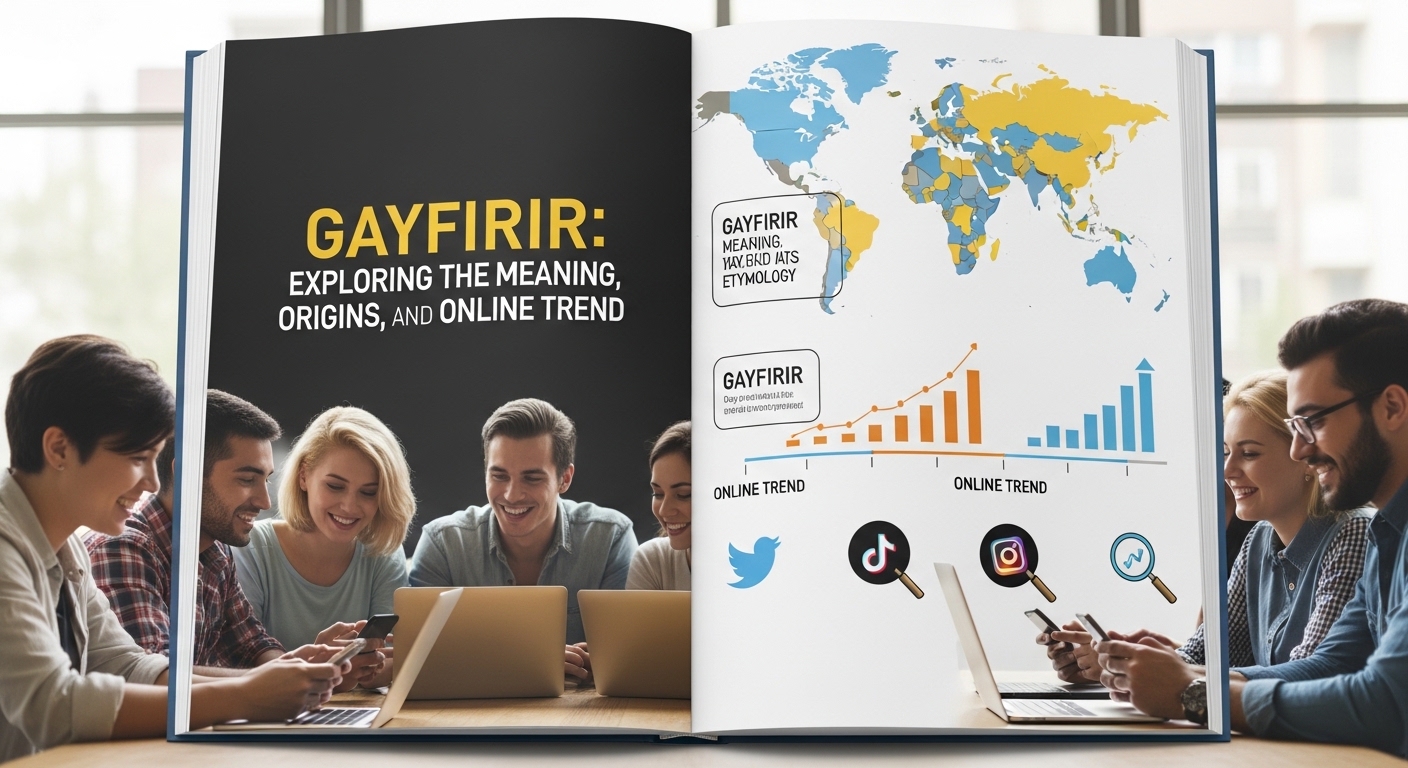
“Gayfirir: Exploring the Meaning, Origins, and Online Trend”
Introduction to the term “Gayfirir”
The digital landscape is ever-evolving, and with it come terms that capture the essence of contemporary culture. One such term making waves online is “Gayfirir.” If you’ve stumbled across this intriguing word on social media or in conversations, you might find yourself curious about its roots and significance. Is it just a fleeting trend, or does it represent something deeper? Join us as we dive into the world of Gayfirir—unpacking its origins, meanings, and how it’s shaping conversations within LGBTQ+ communities today. Whether you’re familiar with it or hearing about it for the first time, there’s much to discover!
The Origins of Gayfirir
The term “Gayfirir” has a fascinating backdrop that traces its roots through both language and culture. Emerging in digital spaces, it reflects the evolution of LGBTQ+ vernacular.
Initially, the word gained traction on platforms like Twitter and TikTok. Users began to blend humor with identity, creating a unique expression that resonated within queer communities.
Linguistically, “Gayfirir” represents an amalgamation of playful slang often used among friends. It embodies connection and camaraderie while celebrating individuality.
As conversations around gender and sexuality continue to diversify, terms like Gayfirir evolve rapidly. The internet’s influence cannot be understated; it accelerates the dissemination of new phrases across various demographics.
This dynamic origin story showcases how language adapts over time. It’s more than just a trend—it’s a reflection of changing attitudes towards sexual orientation in modern society.
Understanding the Meaning of Gayfirir
The term “Gayfirir” blends elements from various cultural contexts, creating a unique identity that resonates with many. At its core, it often embodies the intersection of LGBTQ+ pride and self-expression.
In some circles, Gayfirir symbolizes a celebration of individuality. It promotes authenticity and encourages people to embrace their true selves without fear or shame. This acceptance fosters a sense of belonging in diverse communities.
Moreover, Gayfirir can also reflect an evolving language within queer culture. As society progresses, new terms emerge that encapsulate shared experiences and values among LGBTQ+ individuals.
The dynamic nature of this term allows for personal interpretations. Each individual may connect with Gayfirir differently based on their journey and perspective within the community. The beauty lies in its fluidity—an ever-changing symbol of pride and resilience among those who identify with it.
The Rise of Gayfirir in Pop Culture and Social Media
The term “Gayfirir” has exploded in popularity, especially across platforms like TikTok and Instagram. Users are quickly adopting it to express their identities and experiences within the LGBTQ+ community.
Memes, videos, and tweets celebrating Gayfirir have flooded the internet. This surge has created a vibrant space for discussion and creativity. People share personal stories that resonate with others, fostering a sense of belonging.
Pop culture is catching on too. Artists mention Gayfirir in songs or use it as inspiration for visual art. The term acts as an anthem for many seeking representation.
As visibility grows, so does curiosity about its meaning. Online challenges often incorporate Gayfirir themes, encouraging users to engage in playful yet meaningful ways. Each post adds another layer to this evolving phenomenon in social media landscapes.
Exploring Different Interpretations and Uses of Gayfirir
The term “Gayfirir” has sparked a fascinating array of interpretations within the LGBTQ+ community and beyond. For some, it’s simply an expression of pride, encapsulating their identity in a catchy phrase that resonates with personal experiences.
Others see it as a social commentary, reflecting broader cultural dynamics surrounding sexuality. This duality allows for rich discussions about representation and visibility in various spaces, including online forums and art.
In the realms of social media, users frequently employ Gayfirir as a form of humor or irony. Memes featuring this term often highlight stereotypes while inviting laughter rather than judgment.
Additionally, artists have woven Gayfirir into their works to challenge norms and provoke thought. Each interpretation enriches its meaning, making it more than just slang but rather a vibrant part of contemporary discourse around sexual identity.
Controversies Surrounding the Term
The term “Gayfirir” has sparked significant debate within the LGBTQ+ community and beyond. Some argue that it embodies a playful, inclusive spirit, while others see it as trivializing serious issues.
Critics often point to its origins in satire, questioning whether humor can appropriately address crucial topics like identity and acceptance. This tension leads to varied interpretations across different communities.
Moreover, online platforms have amplified its usage, creating a divide between those who embrace it and those who feel marginalized by its casualness.
Social media discussions reveal how language evolves but also exposes fractures in understanding among diverse groups. Many are concerned that over-saturation could dilute the meaning behind important movements for equality.
As conversations continue to unfold around Gayfirir, they highlight deeper societal attitudes toward representation and expression in the modern age.
The Impact of Gayfirir on LGBTQ+ Communities
The term Gayfirir has sparked a vibrant conversation within LGBTQ+ communities. It encourages self-expression and creativity, allowing individuals to explore their identities more freely.
As a trend emerging from social media, it offers a platform for diverse voices. Many find community through the shared understanding of what Gayfirir represents. It’s not just about sexuality; it’s also about embracing uniqueness in all its forms.
However, some members express concern over commercialization. The original essence can sometimes get lost amidst trends and hashtags. This leads to discussions on authenticity versus performative allyship.
Yet, the impact is evident: connections form across borders as people rally around the term. Art, fashion, and even activism intertwine with this growing movement, showcasing solidarity against discrimination while celebrating individuality.
Conclusion: Embracing or Rejecting the Trend?
The emergence of “Gayfirir” marks a fascinating moment in the evolving landscape of language and identity within LGBTQ+ communities. As people engage with this term, it’s clear that its impact goes beyond mere semantics. It reflects broader themes of acceptance, exploration, and even conflict.
Some embrace Gayfirir as a celebration—an opportunity to express individuality and solidarity among queer identities. For many, it offers a sense of belonging or serves as an affirmation of pride in their unique experiences.
On the other hand, some critiques emerge around authenticity and commercialization. Questions arise about whether terms like Gayfirir dilute genuine expressions or become tools for profit rather than empowerment.
As discussions continue online, participants grapple with how they personally relate to Gayfirir. Do they see merit in its usage? Or do they feel it undermines more serious conversations surrounding LGBTQ+ rights?
The choice rests with individuals navigating this cultural territory. Whether one chooses to embrace or reject the trend is personal—it reflects individual values and beliefs about community representation today. The ongoing dialogue will undoubtedly shape what comes next for terms like Gayfirir within pop culture and social consciousness.